Platform Playbooks
How to Rank in Google AI Overviews
How to rank in Google AI Overviews and appear in AI Overviews. Content patterns, schema, and entity work that get you selected as the Overview source.
Last reviewed: July 13, 2026
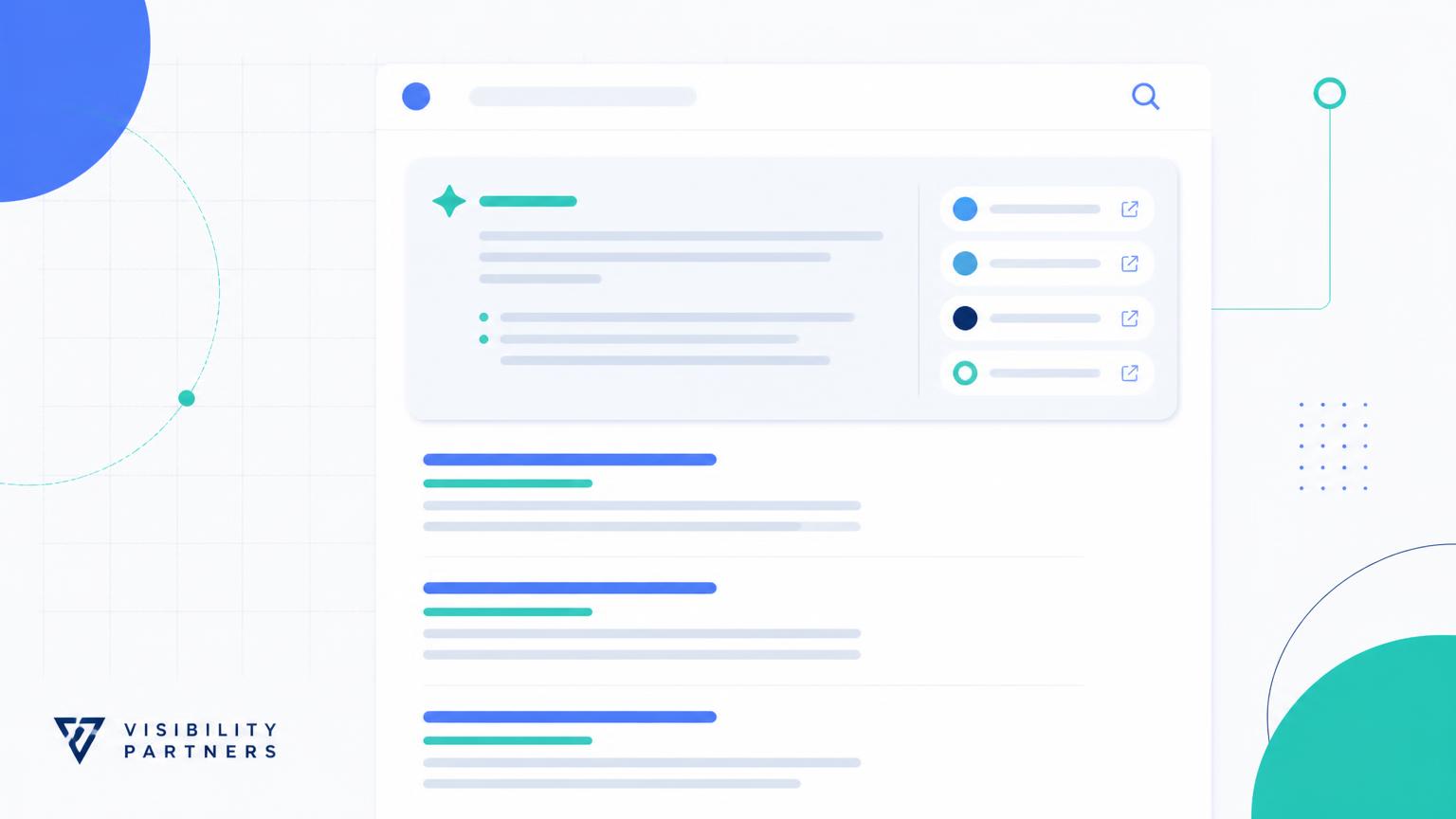
Google AI Overviews now cap the SERP on billions of queries. If you're not selected, you're not in the conversation. Here's how to rank in Google AI Overviews — and how to keep the placement once you win it.
- appear in AI Overviews
- AI Overviews SEO
How Overview selection works
AI Overviews synthesize an answer from a small set of source pages Google's ranking systems already trust for the query. Selection is not one page winning a ranking — it's a shortlist of sources that pass a set of thresholds: topical relevance, structural clarity, entity confidence, and freshness.
That means Overview optimization is a hybrid discipline. The classic SEO layer (rankings, authority, technical health) still matters as a prerequisite. On top of that, Overview selection weighs how cleanly a page can be lifted for the specific answer format Google wants to produce.
The pattern Overviews reward
- Clear question-first H2s and H3s that mirror the exact query intent
- Answer blocks of 40–60 words directly under each question
- Supporting evidence — data, examples, comparisons — below each answer
- Structured data that reinforces the answer's context (FAQPage, HowTo, Article)
- Consistent authorship with Person schema and an author profile page
- Freshness signals: recent publish/update dates and current examples
Schema and entity work
Overview selection favors domains with confirmed Organization entity signals, correctly scoped page-type schema, and consistent authorship. That's the same layer that powers our AEO services.
The most common schema mistake is over-declaring FAQPage — using it on pages that aren't primarily Q&A. Google has been rolling back rich-result eligibility on those pages for years; the same overreach can suppress Overview selection.
Coordinating with organic
Don't treat Overviews as a separate program. The pages that appear in Overviews are usually also winning rich results, PAA slots, and organic — coordinated coverage compounds. A page that only wins the Overview and cedes organic to competitors is usually a short-lived win.
A workable rule of thumb: if a page isn't already ranking in the top 10 organically, it's unlikely to be selected for the Overview above it. Fix the organic gap first.
Defending Overview placements
Overview selection rotates. Winning it once doesn't mean winning it in a quarter. Refresh cadence — updating publish dates on materially changed content, adding current data, tightening answer blocks — protects placements against competitors who spot your win and target it.
Instrument Overview appearance in your monitoring stack alongside classic rankings. When a placement drops, the recovery playbook is usually a content freshness pass plus a schema audit before anything more expensive.
Frequently asked
Keep reading
Ranking is no longer enough
You need to be cited, mentioned, and recommended.
Being cited, mentioned, and recommended are three different outcomes, and most brands only ever achieve the first one. Ranking is no longer enough because AI engines answer buyers directly and name only a short list of vendors as the recommendation — everyone else is cited in passing, if at all. Get a free AI Visibility Report to see exactly where your brand appears today across ChatGPT, Google AI Overviews, Gemini, Perplexity, and Copilot, where competitors are winning the recommendation instead, and what's keeping you from moving up the shortlist.